

Artificial Intelligence (AI) chatbot transformation for Malaysian small and medium-sized enterprises (SMEs) navigate the digitization wave. AI chatbots have emerged as transformative tools in 2025. They redefine customer interaction, streamline operations, and enhance service personalization. By leveraging these technologies, SMEs can remain competitive and relevant in an ever-evolving market landscape. Let’s explore how AI chatbots are reshaping the business ecosystem in Malaysia.
The Rise of AI Chatbots in Malaysia
A Brief History of Chatbot Evolution in Business
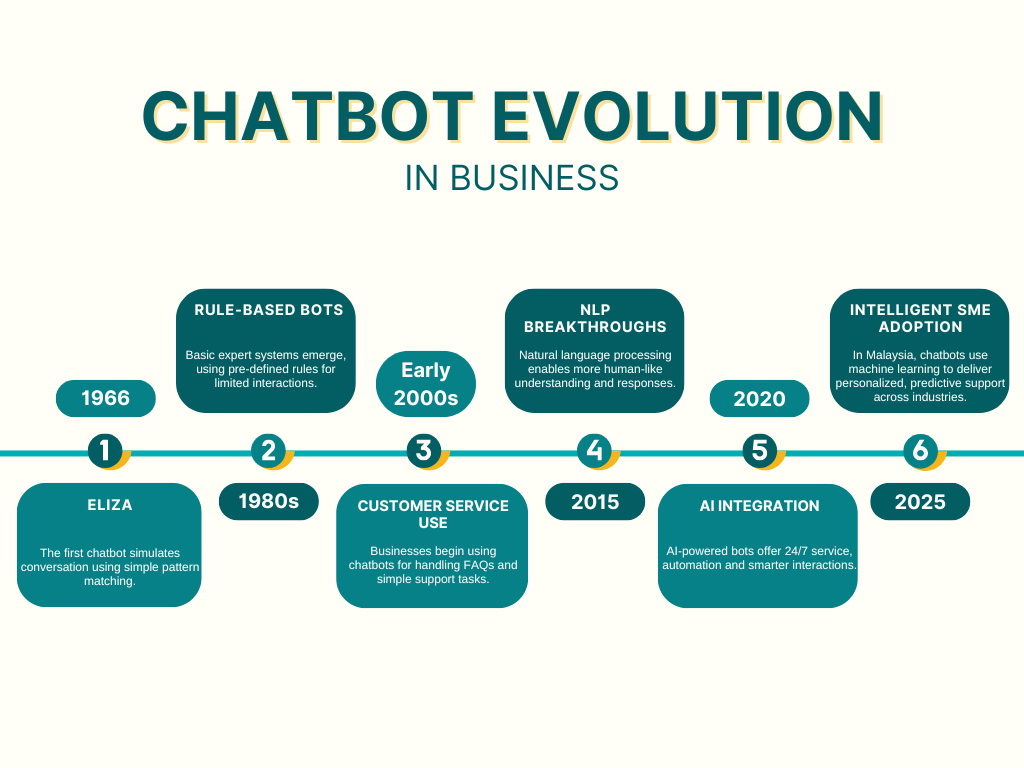
Chatbots have come a long way since their inception. In the 1960s, ELIZA opened doors by simulating conversation through simple pattern matching, but it was far from intelligent. Fast forward to the early 2000s, and chatbots began to find their footing in business, primarily in customer service roles, albeit with limited capabilities. The real transformation came in the mid-2010s with the advent of natural language processing, which enabled chatbots to understand, learn, and interact more naturally.
By 2020, chatbots had integrated advanced AI, providing businesses with powerful tools to manage inquiries 24/7. These advancements have paved the way for their current sophisticated iterations in Malaysia’s SME sector. With machine learning algorithms, modern chatbots can predict customer needs and respond with precision, delivering personalized experiences and contributing significantly to customer satisfaction.
AI Chatbot Adoption Trends Transforming Malaysian SMEs
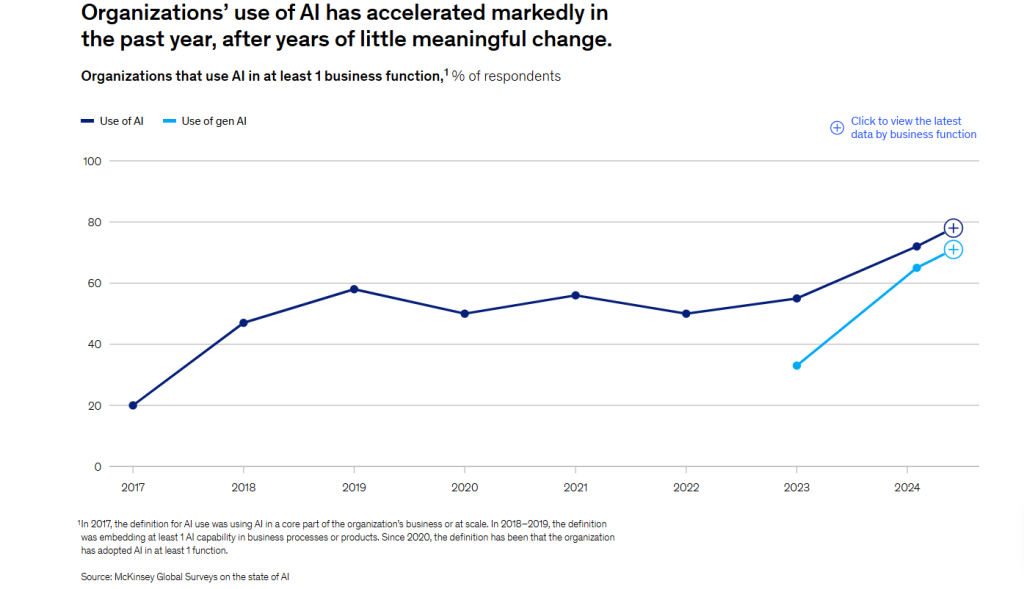
In Malaysia, the adoption of AI chatbots among SMEs has seen a remarkable upsurge. By 2025, approximately 65% of local SMEs have integrated chatbot solutions into their operations. This climb is driven by the increasing need for efficient customer engagement and operational cost reduction. These enterprises primarily use chatbots for customer service, marketing automation, and internal process optimization.
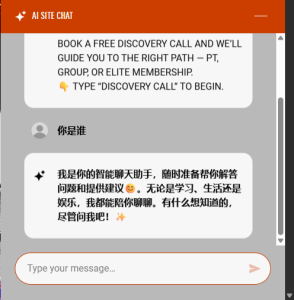
A significant trend is the deployment of multilingual chatbots, reflecting Malaysia’s diverse linguistic landscape. SMEs are opting for chatbots that can converse in Bahasa Malay, Mandarin, Tamil, and English to cater to a broad spectrum of customers. Furthermore, chatbots are becoming more commonplace in industries such as retail, healthcare, and logistics, where they manage tasks from booking appointments to handling customer inquiries.
This widespread adoption highlights a larger AI chatbot transformation for SMEs in Malaysia. As digital-first expectations grow, these intelligent tools are no longer optional — they’re becoming essential to staying competitive, multilingual, and operationally efficient.


Key Advantages for Malaysian SMEs
Streamlining Customer Support and Engagement
AI chatbots have revolutionized how Malaysian SMEs tackle customer support by providing instant, round-the-clock assistance. This has significantly reduced wait times, leading to higher customer satisfaction. These virtual assistants can handle routine inquiries, thereby freeing up human agents to focus on more complex problems. Moreover, chatbots can simultaneously manage multiple interactions, a feat that was previously unattainable with traditional customer service models.
Customer engagement is also enhanced through proactive communication. Chatbots can send personalized messages, product recommendations, and reminders that keep customers informed and engaged. By using data analytics, these chatbots learn customer preferences, enabling SMEs to deliver tailored experiences that foster loyalty and repeat business.
Cost Efficiency and Operational Benefits
For Malaysian SMEs, the cost efficiency brought by AI chatbots is a game-changer. Implementing these digital assistants has slashed the expenses associated with customer support and administrative tasks. By automating repetitive tasks, SMEs reduce the need for large customer service teams, leading to significant payroll savings.
Operationally, chatbots enhance workflows by efficiently managing tasks such as answering FAQs, processing orders, and scheduling appointments. This results in a more streamlined operation with reduced human error. Additionally, chatbots operate 24/7 without downtime, ensuring that businesses are constantly available to engage with customers, which directly translates to increased customer satisfaction and retention.
The AI chatbot transformation for SMEs also brings new levels of scalability and agility. During high-demand periods such as festive sales or promotions, businesses can easily scale chatbot capacity without increasing manpower. This flexibility enables SMEs to respond quickly to customer needs while keeping overhead costs under control.
Enhancing Personalization in Services
AI chatbots excel in delivering personalized services by leveraging advanced data analysis capabilities. For Malaysian SMEs, this means offering tailored customer experiences that align with individual preferences and behaviors. Through continuous interaction, chatbots collect valuable insights into customer habits, which they use to customize recommendations and promotions.
This personalization extends beyond just product suggestions; chatbots can adjust their tone and communication style based on customer profiles, creating a more engaging and relatable interaction. By anticipating customer needs and providing relevant solutions proactively, chatbots solidify customer relationships, enhancing both satisfaction and loyalty.
|
Feature |
AI-Powered Chatbots |
Traditional Customer Support |
|
Availability |
24/7 |
Limited hours |
|
Response Time |
Instant |
Wait times |
|
Cost Efficiency |
High |
Expensive |
|
Scalability |
Easy |
Needs more staff |
|
Emotional Intelligence |
Lacks empathy |
High |
Overcoming Challenges in Implementation
Technical Barriers and Solutions
Implementing AI chatbots presents several technical barriers for Malaysian SMEs, including integration with existing systems and ensuring data security. Legacy systems often lack the infrastructure needed to support modern AI technology, posing a challenge for seamless integration. However, solutions such as API-based platforms and middleware facilitate smoother connectivity.
Another significant barrier is data security and data privacy, as chatbots often handle sensitive customer information. SMEs must ensure compliance with data protection regulations and employ robust encryption methods to safeguard data. Solutions include adopting secure chatbot frameworks and regular audits to identify and rectify vulnerabilities. By addressing these technical challenges, SMEs can leverage chatbots effectively while maintaining data integrity and security.
This is where platforms like Ceria Chat shine – offering easy integration experience with commonly used applications such as WhatsApp, Facebook and websites. Its API-friendly design allows Malaysian SMEs to deploy AI chatbots without overhauling their existing systems, saving both time and technical costs. This makes Ceria Chat an ideal solution for businesses looking to scale digital interactions effortlessly.
Managing Change and Workforce Adjustment
The implementation of AI chatbots often necessitates changes in workforce dynamics, presenting challenges that Malaysian SMEs must navigate thoughtfully. Employees may fear job displacement due to automation, leading to resistance. To effectively manage this transition, it’s crucial to foster a culture of adaptation and resilience to address this necessity.
Training programs can be offered to upskill employees, enabling them to work alongside new technologies. This not only alleviates fears but also transforms staff into valuable assets in the AI landscape. Communication is key—open dialogues about the benefits of chatbots and how they complement rather than replace human roles are essential. By promoting a supportive environment, SMEs can ensure a smoother transition and maximize both human and AI capabilities.
It’s essential to emphasize that AI chatbots are tools meant to support, not replace, human workers. In industries like healthcare, legal services, or education, emotional intelligence and human judgment remain irreplaceable. AI can handle repetitive inquiries and data processing, while humans continue to lead in empathy-driven and complex decision-making tasks.
The Cost Factor
For Malaysian SMEs, the cost of implementing AI chatbots is a significant consideration. While there is an initial investment in technology and integration, the long-term savings and efficiency gains often outweigh these upfront expenses. Chatbots reduce ongoing operational costs by automating tasks traditionally performed by human employees.
Moreover, many chatbot solutions offer scalable pricing models, allowing businesses to pay only for the features they need, which aids in managing budgets effectively. The cost is further mitigated by the decrease in errors and improvement in customer retention through consistent service quality. To make an informed decision, SMEs should evaluate total cost of ownership against potential ROI, ensuring alignment with their strategic goals.
And again, this is time for Ceria Chat to shine – itoffers affordable yearly plans designed with Malaysian SMEs in mind. With flexible packages, essential features included by default, and no hidden fees, Ceria Chat ensures businesses can start small and scale as needed. Its high value at a low entry cost makes it a smart choice for companies seeking impactful results without breaking the bank.
|
Chatbot |
Ceria Chat |
Mampu AI |
AI Chatbot Malaysia |
|
Best For |
Local service industry |
Medium large business |
Large enterprise, GovTech |
|
Multilingual |
✅ |
✅ |
✅ |
|
Price Range |
$$ (Moderate) |
$$$ (High) |
$$$$ (Highest) |
Case Studies of Successful Implementations
AI Chatbots Improving Customer Service in the International Integrative Medicine Conference 2025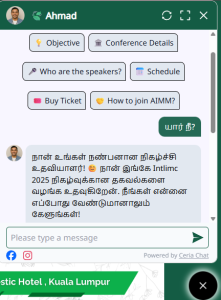
At the International Integrative Medicine Conference 2025, AI chatbots played a crucial role in transforming customer service experiences. These intelligent agents managed inquiries related to event agendas, speaker sessions, and registration processes with remarkable efficiency. By providing instant responses, they significantly reduced wait times and improved attendee satisfaction.
Chatbots were also instrumental in personalizing attendee interactions. Using data gathered from previous conferences, they offered tailored recommendations for sessions and workshops most relevant to attendees’ interests. This customization enhanced the overall conference experience, leading to higher user engagement and positive feedback. The successful implementation demonstrated the potential of AI chatbots to elevate event management by offering seamless service across multiple touchpoints.
FAQs
What are the initial steps for SMEs to adopt AI chatbots?
To begin adopting AI chatbots, SMEs should first identify their specific customer service needs and objectives. Next, they need to research and select a suitable chatbot platform that integrates well with their existing systems. SMEs should then develop a clear implementation plan, including staff training and testing of the chatbot in real-life scenarios, before fully launching it to customers.
How do AI chatbots improve customer interaction?
AI chatbots enhance customer interaction by providing immediate, 24/7 assistance, reducing wait times, and increasing accessibility. They offer personalized experiences through data analysis and deliver consistent responses, which improves customer satisfaction. Additionally, chatbots can handle multiple interactions simultaneously, ensuring efficiency and freeing human agents to handle complex tasks.
Are AI chatbots suitable for all types of businesses?
AI chatbots are versatile and can benefit many businesses, especially those with high customer interaction like retail, finance, and hospitality. However, their suitability depends on the business’s specific needs, complexity of customer interactions, and technological infrastructure. It’s crucial for businesses to assess these factors to determine the effectiveness of chatbots for their unique context.
|
Retail |
Finance |
Healthcare |
|
Virtual Shopping Assistant |
Automated Financial Advice and Planning |
24/7 Symptom Diagnosis and Triage |
|
Personalized Product Recommendations |
Fraud Detection and Prevention |
Medication Management and Reminders |
|
Instant Order Tracking and Support |
Loan Application and Approval |
Appointment Scheduling and Coordination |